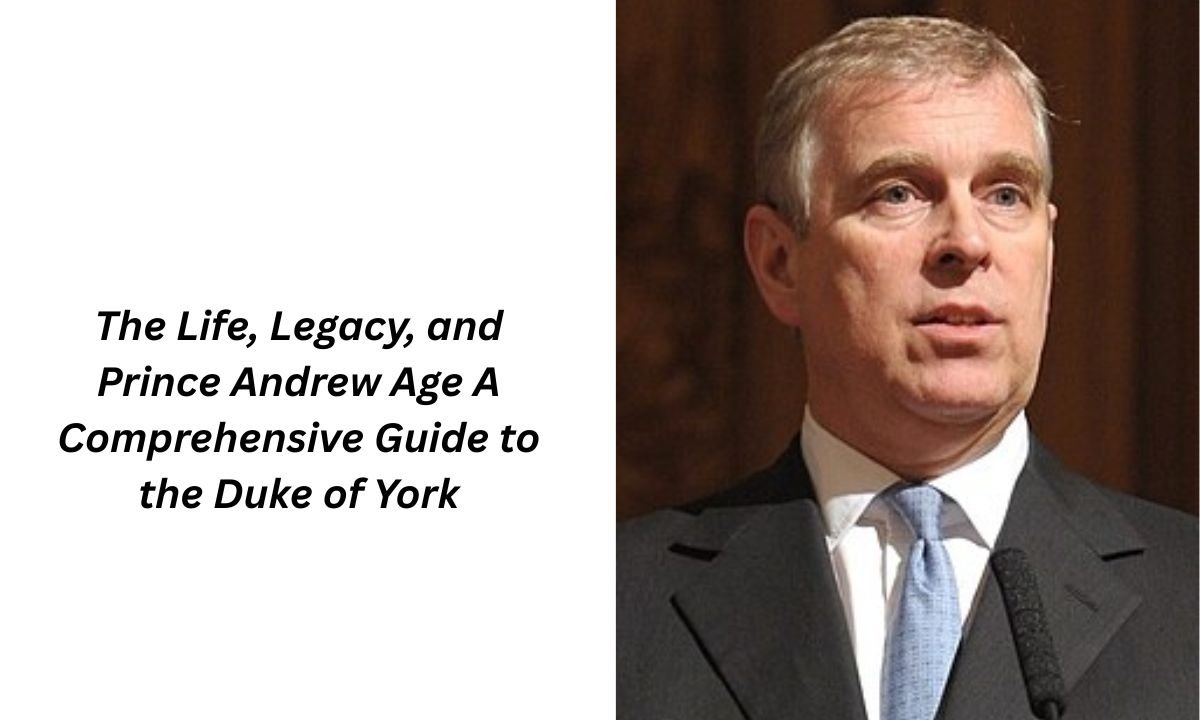
Prince Andrew Albert Christian Edward, widely known as the Duke of York, is a prominent and highly scrutinized member of the British royal family. Born on February 19, 1960, in the Belgian Suite of Buckingham Palace in London, he is the second son and third child of the late Queen Elizabeth II and Prince Philip, Duke of Edinburgh.
Throughout his life, he has been known for his distinguished career as an officer in the Royal Navy, his active participation in the Falklands War, and his later role as the UK’s Special Representative for Trade and Investment. As the prince andrew age advances into his mid-sixties, his life story continues to be a subject of intense public fascination, historical interest, and media scrutiny. Understanding the prince andrew age and the timeline of his life provides valuable context into the evolution of the modern British monarchy and the complex dynamics of being a senior royal in the 21st century.
Early Life and Family
- The prince andrew age marks the beginning of a life deeply rooted in royal tradition, as he was born to parents with immense historical significance. His mother, Queen Elizabeth II, was the longest-reigning monarch in British history, dedicating her life to public service and the Commonwealth. His father, Prince Philip, was a former naval officer and the Prince Consort, known for his blunt demeanor, extensive charitable work, and modernization of the royal household. Growing up with such formidable figures set a high standard for duty and public expectation from the very beginning of his life.
- When examining the prince andrew age during his childhood, one must consider his position among his famous siblings, which heavily influenced his upbringing. He is the younger brother of King Charles III (formerly Prince Charles) and the older brother of Princess Anne and King Edward (formerly Prince Edward). Being the second son, often referred to historically as the “spare,” meant he was not expected to inherit the throne, which afforded him a slightly different, albeit still highly privileged, set of expectations compared to his elder brother, Charles.
- The prince andrew age during his formative years was spent primarily in the grand and historic settings of Buckingham Palace and Windsor Castle. His upbringing was heavily structured, governed by strict royal protocols, and managed by a vast staff of nannies, tutors, and courtiers. Despite the grandeur of his surroundings, his parents attempted to provide as normal a childhood as possible, which included holidays at the Balmoral Estate in Scotland and the Sandringham Estate in Norfolk, allowing the royal children to experience the outdoors and engage in typical rural activities.
- Cultural influences during the prince andrew age were shaped by the post-war era of the 1960s, a time of significant social change in the United Kingdom. While the royal family maintained its traditional image, the world around them was rapidly modernizing. This era introduced new cultural shifts, media scrutiny, and changing public attitudes toward the monarchy, which the young prince had to navigate as he grew older and became more aware of his public role and the evolving expectations of the British public.
- One of the most significant challenges during the prince andrew age was the immense pressure of living in the public eye from birth, combined with the strict disciplinary approach of his father, Prince Philip. Prince Philip believed in a robust, character-building education and often pushed his children to be resilient and tough. Additionally, the constant media attention and the burden of royal expectations created a unique set of psychological and social challenges that the young prince had to manage throughout his youth and into his adult life.
| Aspect | Details |
|---|---|
| Full Name | Prince Andrew Albert Christian Edward |
| Date of Birth | February 19, 1960 |
| Place of Birth | Belgian Suite, Buckingham Palace, London |
| Parents | Queen Elizabeth II and Prince Philip, Duke of Edinburgh |
| Siblings | King Charles III, Princess Anne, King Edward |
| Upbringing Locations | Buckingham Palace, Windsor Castle, Balmoral, Sandringham |
Education
The educational journey during the prince andrew age was carefully curated to prepare him for his future royal duties and military career. He began his formal education at Heatherdown School in Berkshire, a preparatory school that his father and older brother had also attended. This environment provided a foundational education while keeping him somewhat shielded from the intense media spotlight that surrounded his family. It was here that he developed early interests in sports and outdoor activities, which would later become a hallmark of his personal life.
As the prince andrew age reached his early teens, he transitioned to Gordonstoun School in Scotland, a prestigious and rigorous boarding school famously chosen by his father. Gordonstoun was known for its demanding physical and academic curriculum, designed to build character and resilience through outdoor challenges and strict discipline. While his time there was challenging and he occasionally clashed with the strict regime, it instilled in him a strong sense of endurance and a lifelong appreciation for physical fitness and maritime pursuits.
Following his secondary education, the prince andrew age marked a pivotal transition into his professional military training at the Royal Naval College in Dartmouth. Unlike many of his predecessors who attended traditional universities like Cambridge or Oxford, Andrew chose to follow directly in his father’s and grandfather’s naval footsteps. At Dartmouth, he underwent intensive training in navigation, seamanship, and leadership. He excelled in his studies and was recognized for his aptitude in maritime operations, ultimately passing out as a commissioned officer in the Royal Navy.
Academic achievements during the prince andrew age were complemented by a strong focus on practical and extracurricular activities. At Dartmouth, he was highly active in sports, particularly rugby and sailing, which helped him build camaraderie with his fellow cadets. His extracurricular involvement demonstrated his leadership skills and his ability to work effectively within a team, qualities that would prove essential during his subsequent deployments at sea. He also showed a keen interest in aviation, which led to his specialized training as a helicopter pilot.
When the prince andrew age was 19, he officially graduated from the Royal Naval College Dartmouth in 1979. This graduation marked the end of his formal academic and initial military training and the beginning of his active service in the Royal Navy. Leaving Dartmouth as a Midshipman, he was fully prepared to take on the responsibilities of a naval officer, setting the stage for a career that would see him face the realities of combat and the rigors of life at sea.
Career
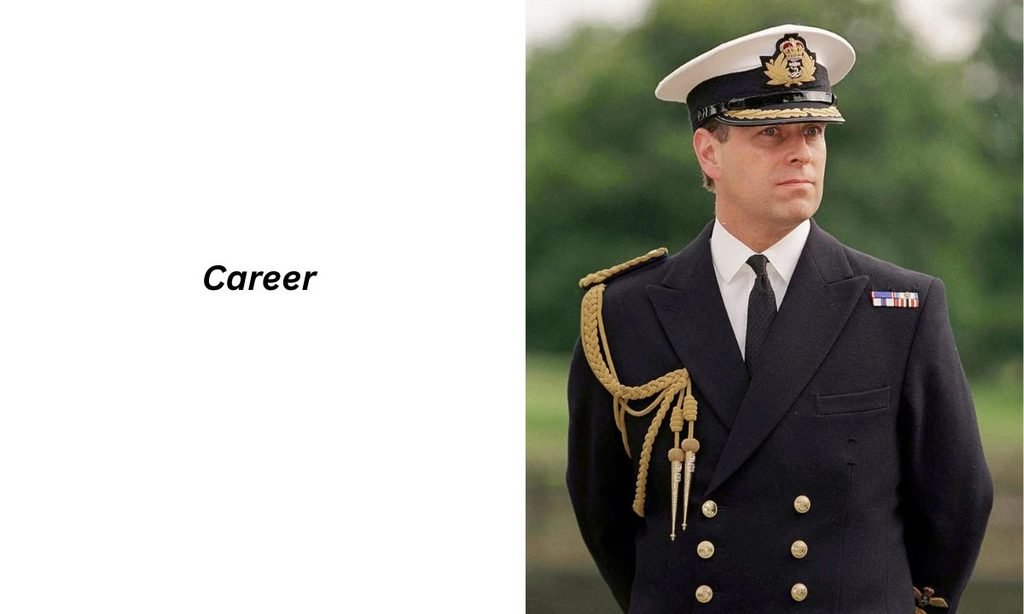
The professional career of the prince andrew age began in earnest when he was commissioned into the Royal Navy, following a proud family tradition. He started his active service on the aircraft carrier HMS Invincible, where he gained valuable experience in naval operations. His early career was marked by a dedication to his duties, and he quickly proved himself to be a capable and courageous officer, eager to serve his country in active capacities rather than just ceremonial ones.
The most defining milestone of the prince andrew age during his military career was his active participation in the 1982 Falklands War. Serving as a helicopter pilot aboard HMS Invincible, he flew crucial missions, including anti-submarine warfare, search and rescue, and tactical coordination. His presence in the conflict zone was a significant morale booster for the troops, and his bravery under fire earned him widespread respect. The Argentine military even considered him a high-value target, highlighting the genuine danger he faced during his deployment.
As the prince andrew age advanced into his later years, he transitioned from active military service to taking on significant royal and diplomatic roles. In 2001, he was appointed as the UK’s Special Representative for Trade and Investment. In this capacity, he traveled extensively across the globe, visiting countries like China, India, and the United States, to promote British business interests, foster international trade relationships, and support UK exports. This role allowed him to leverage his royal status to benefit the British economy.
However, as the prince andrew age entered the 2010s, his career and public image began to face severe challenges. His association with the disgraced financier Jeffrey Epstein came to light, leading to immense public backlash and intense media scrutiny. In 2019, he gave a widely criticized television interview regarding his friendship with Epstein, which failed to quell the controversy. Consequently, he was forced to step back from all public royal duties, effectively ending his official career as a working member of the royal family.
In recent developments regarding the prince andrew age and his career, he has been entirely stripped of his remaining military titles, royal patronages, and the use of His Royal Highness (HRH) style. He no longer undertakes any official public duties or represents the Crown in any capacity. His career has thus come full circle, transitioning from a celebrated war hero and active trade envoy to a deeply controversial figure living a largely private and restricted life away from the official royal spotlight.
| Year | Milestone | Description |
|---|---|---|
| 1979 | Naval Graduation | Graduated from the Royal Naval College Dartmouth and commissioned as a sub-lieutenant. |
| 1982 | Falklands War | Served as a helicopter pilot on HMS Invincible during the conflict with Argentina. |
| 1986 | Trade and Investment | Began taking on initial international trade roles before his official appointment. |
| 2001 | Special Representative | Appointed as the UK’s Special Representative for Trade and Investment by the government. |
| 2011 | Stepping Down as Envoy | Stepped down from his role as Special Representative for Trade and Investment. |
| 2019 | Public Duty Withdrawal | Stepped back from all public royal duties following the Epstein controversy. |
| 2022 | Title Stripping | Officially stripped of all military titles, royal patronages, and HRH style. |
Relationships and Controversies
The romantic life of the prince andrew age began to capture public attention when he met Sarah Ferguson, a public relations executive, in the early 1980s. The couple’s relationship blossomed over several years, and they became a favorite of the British press, often dubbed “Fergie” and “Andy.” Their courtship was highly publicized, and they were seen as a modern, relatable couple who brought a fresh, albeit sometimes chaotic, energy to the royal family.
The prince andrew age was 26 when he married Sarah Ferguson on July 23, 1986, in a grand ceremony at Westminster Abbey. Following the wedding, she was granted the title Duchess of York. The couple welcomed two daughters, Princess Beatrice in 1988 and Princess Eugenie in 1990. During the early years of their marriage, they were often seen as a vibrant and happy family, though the pressures of royal life and intense media scrutiny soon began to place significant strain on their relationship.
As the prince andrew age reached his thirties, his marriage to Sarah Ferguson began to deteriorate rapidly. The couple’s differing personalities, the pressures of their royal roles, and Andrew’s frequent absences due to his naval career contributed to the breakdown of the marriage. The situation was exacerbated by tabloid scandals, including the infamous photograph of Sarah with her feet being touched by a financial advisor, which severely damaged her public image. They officially separated in 1992 and divorced in 1996.
Despite the divorce, the family life post-marriage for the prince andrew age remained relatively amicable compared to other royal splits. Sarah retained the title of Duchess of York, and the couple continued to co-parent their daughters, Beatrice and Eugenie, presenting a united front at major family events. They have maintained a friendly relationship over the decades, often attending royal gatherings together and supporting their daughters’ milestones, showing a resilient family bond despite the end of their romantic partnership.
The most significant controversies during the later prince andrew age revolve around his association with the convicted sex offender Jeffrey Epstein. Andrew’s friendship with Epstein, which began in the 1990s and continued well after Epstein’s initial conviction, drew massive public outrage. The situation escalated when Virginia Giuffre accused Andrew of sexual assault when she was a minor, a claim he vehemently denied. The controversy led to a high-profile civil lawsuit in the United States, which was eventually settled out of court in 2022 for an undisclosed sum, leaving a permanent stain on his reputation.
Net Worth
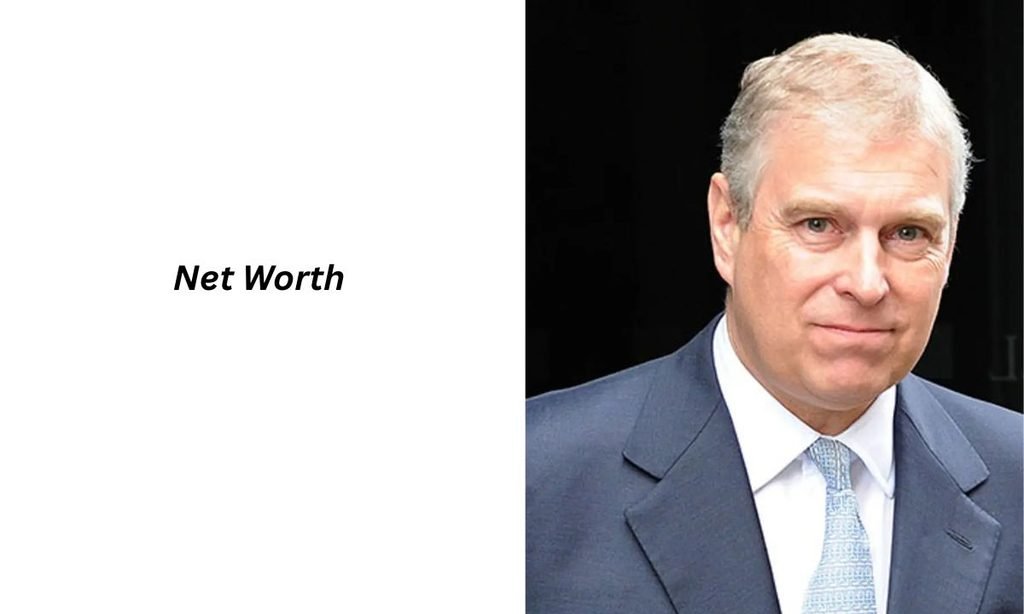
Estimating the personal net worth of the prince andrew age is a complex endeavor, as the finances of the British royal family are deeply intertwined with state funds, private trusts, and historical inheritances. However, financial experts and royal biographers generally estimate his personal net worth to be around $30 million to $40 million. This wealth is derived from a combination of personal inheritances, his historical share of the Duchy of Lancaster’s revenues, and various private investments accumulated over his lifetime.
The income sources for the prince andrew age historically included a substantial annual allowance from the Sovereign Grant, which is funded by the UK government to support the official duties of the royal family. Before stepping back from public duties, he received millions of pounds annually to cover his official travel, staff, and household expenses. Additionally, he benefited from the private income generated by the Duchy of Lancaster, a vast portfolio of land and assets that provides financial support to the monarch and senior royals.
In terms of assets, the prince andrew age is most notably associated with the 30-room Royal Lodge in Windsor Great Park. Granted to him in 2004, the historic estate was intended to be his primary residence. However, following the controversies surrounding his associations and his withdrawal from public duties, he was asked by the late Queen Elizabeth II to vacate the property. While he has historically maintained ties to the estate and other properties within the Windsor Crown Estate, his current living arrangements have been scaled back significantly.
The growth of his wealth over the years has been steady, largely insulated from the fluctuations of the public stock market due to the nature of his royal trusts and inheritances. During his time as a trade envoy, he also had access to a network of high-level business contacts, which, while not directly enriching him, provided opportunities for private investments and advisory roles. His financial portfolio includes various art collections, jewelry, and historical artifacts passed down through the royal lineage.
Despite his considerable wealth, the prince andrew age has also been the subject of financial scrutiny and criticism. The high cost of his legal settlements, particularly the multi-million dollar payout in the Virginia Giuffre civil case, reportedly impacted his personal liquidity. Furthermore, the public has frequently questioned the allocation of taxpayer-funded Sovereign Grant money to support a royal who no longer performs official duties, leading to ongoing debates about the financial transparency and accountability of his personal expenditures.
| Category | Amount/Details |
|---|---|
| Estimated Net Worth | $30 Million – $40 Million (Personal wealth) |
| Primary Income Sources | Sovereign Grant allowance, Duchy of Lancaster revenues, private trusts |
| Major Real Estate | Royal Lodge (Windsor Great Park) – currently under review for vacating |
| Legal Settlements | Undisclosed multi-million dollar settlement in the US civil lawsuit (2022) |
| Personal Assets | Art collections, historical artifacts, private investments, luxury vehicles |
Other Ventures
The digital presence of the prince andrew age was historically managed by a dedicated royal communications team, though it has been entirely dismantled in recent years. During his time as a working royal, his official social media accounts and the royal family’s website featured his engagements, trade missions, and charitable work. However, following his withdrawal from public life, his digital footprint has been largely erased from official royal channels, and he no longer maintains any active or official social media profiles.
Historically, speaking engagements were a significant part of the prince andrew age’s public portfolio. He was a highly sought-after speaker at international business forums, military conferences, and charitable galas. His speeches often focused on the importance of international trade, the value of the UK’s global relationships, and the critical role of youth development. These engagements not only elevated his personal profile but also served to promote British interests on the global stage before his controversies forced him to step down.
Entrepreneurial interests during the prince andrew age were somewhat unconventional for a senior royal, as he actively involved himself in the business world. He served as a chairman and board member for various organizations, including the Wine and Spirit Education Trust and the British American Business network. His involvement in these sectors allowed him to bridge the gap between the royal family and the corporate world, fostering environments where British businesses could thrive and expand internationally.
Brand collaborations for the prince andrew age were strictly regulated by royal protocol, but he did occasionally lend his name and presence to initiatives that aligned with his trade and charitable objectives. He was heavily involved in promoting “GREAT Britain” campaigns, which were designed to boost British tourism, exports, and cultural influence globally. While he did not endorse commercial products in a traditional sense, his presence at major corporate events served as a powerful endorsement for British industry and innovation.
Currently, the other ventures of the prince andrew age are virtually non-existent in the public sphere. Stripped of his official roles and facing immense public backlash, he no longer participates in business boards, trade promotions, or public speaking circuits. His focus has shifted entirely to his private life, and any residual business interests are managed quietly and discreetly, far removed from the public eye that once characterized his extensive portfolio of non-royal ventures.
Charitable Work
The charitable work of the prince andrew age is perhaps most famously defined by his long-standing and deep involvement with the Duke of York’s Awards (formerly the Duke of York’s Inspiring Programme). Taking over the patronage from his father, he served as the chairman of the organization for many years. The initiative is designed to help young people aged 16 to 24 develop essential life skills, resilience, and employability through challenging outdoor activities and community projects, leaving a lasting positive impact on thousands of youths across the UK.
Beyond the Duke of York’s Awards, the prince andrew age held patronages and presidencies for over 200 different charities and organizations. These included the Royal Hospital Chelsea, the Outward Bound Trust, and various military welfare charities. His charitable focus was heavily skewed toward youth development, education, and supporting the armed forces. He frequently visited military hospitals, attended remembrance services, and supported initiatives aimed at helping wounded veterans transition back into civilian life.
The impact of his charitable initiatives, particularly during the peak of his public life, was substantial. The Duke of York’s Awards, for instance, helped countless young people gain qualifications, secure employment, and build confidence. His patronages provided vital visibility and fundraising support for numerous smaller charities, allowing them to expand their reach and secure the funding necessary to carry out their crucial work across the United Kingdom and the Commonwealth.
The philanthropy style of the prince andrew age was characterized by a hands-on approach, especially in his early years. He was known to actively participate in the outdoor challenges of the youth programs, hiking and camping alongside the participants. This genuine engagement helped to inspire the young people involved and demonstrated a commitment to the causes he supported. His military background also lent a sense of discipline and structure to the charitable programs he championed.
In recent years, the legacy of his charitable work has been complicated by his personal controversies. As the prince andrew age has seen him stripped of his titles, many of the charities he patronized have had to distance themselves from him, removing his name from their official materials and finding new royal patrons. Despite this, the foundational work he did in establishing and growing several key youth and military charities remains a documented part of his historical contribution to British philanthropy.
FAQ Section
How old is Prince Andrew in 2026? In the current year of 2026, Prince Andrew is 66 years old. He was born on February 19, 1960, which means he celebrated his 66th birthday earlier this year.
Who is Prince Andrew married to / in a relationship with? Prince Andrew is currently divorced and not in a publicly acknowledged romantic relationship. He was married to Sarah Ferguson, the Duchess of York, from 1986 until their divorce was finalized in 1996. They remain on friendly terms and continue to co-parent their daughters.
What is Prince Andrew’s net worth? Prince Andrew’s personal net worth is estimated to be between $30 million and $40 million. This wealth is derived from personal inheritances, historical royal trusts, and his former allowances from the Sovereign Grant and the Duchy of Lancaster.
What does Prince Andrew do for a living? Prince Andrew no longer has a profession or official occupation. He was stripped of all his military titles, royal patronages, and public duties in 2022. He currently lives a private life and does not undertake any official work or represent the British royal family.
Does Prince Andrew have any children? Yes, Prince Andrew has two children with his ex-wife, Sarah Ferguson. They have two daughters: Princess Beatrice, born in 1988, and Princess Eugenie, born in 1990. Both daughters are married and have children of their own.